
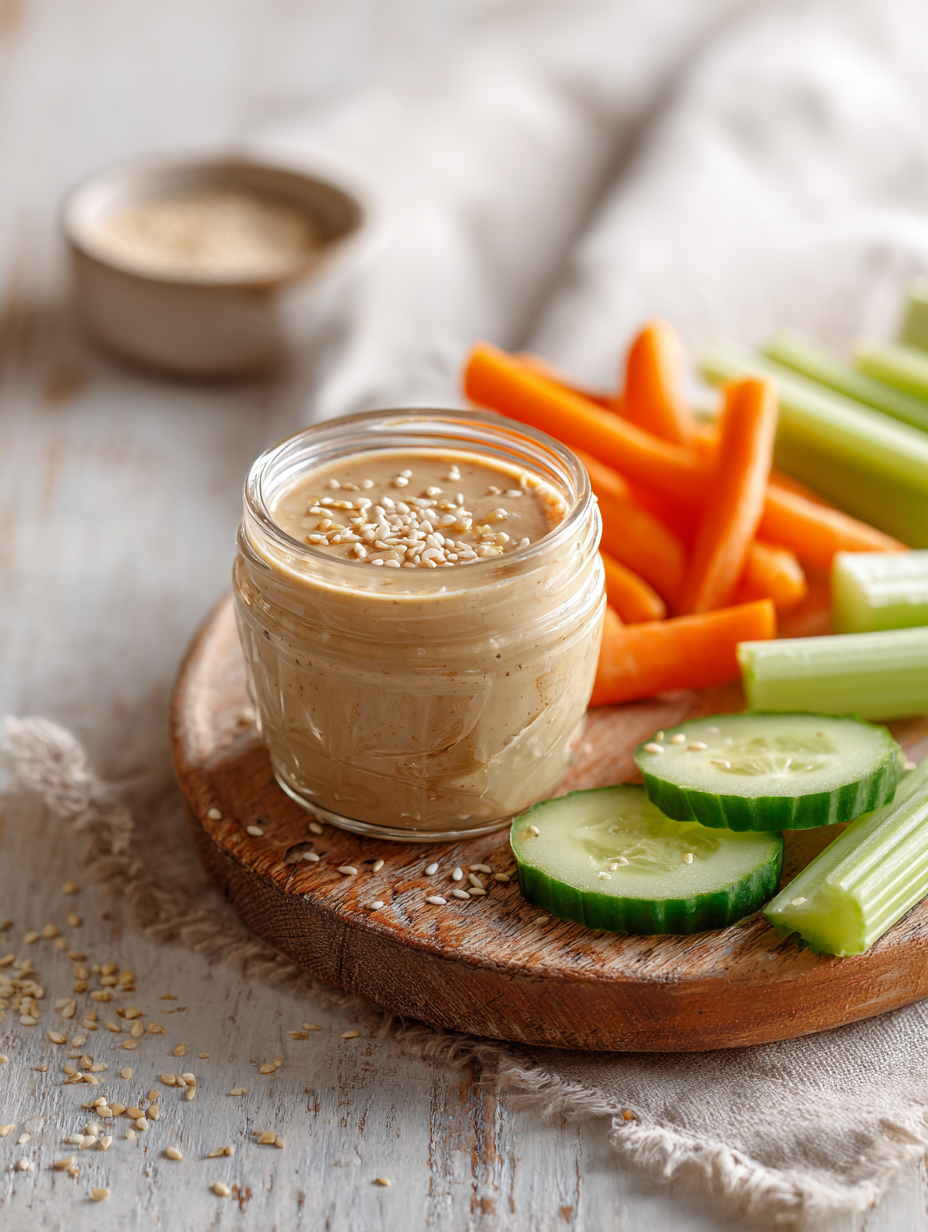
It’s creamy, nutrient-packed, and perfect homemade tahini for your plant-based kitchen.
If you’ve ever loved tahini but worried about the calories, oil content, or digestibility, this homemade tahini recipe is a total game-changer. By making it yourself, you control the process from start to finish — no added oils, no high heat, just simple, activated sesame seeds blended into a silky, creamy paste.
I’ve been making my own tahini for years, and what I love is how fresh and versatile it tastes. It’s perfect for salad dressings, drizzling over roasted veggies, or adding to dips like hummus. Best of all, it fits beautifully into a whole food, low-fat plant-based diet that supports gentle weight release and long-term health.
Why Make Your Own Tahini?
Store-bought tahini is convenient, but it often comes with downsides: roasted seeds, added oils, or preservatives. Making your own at home allows you to:
- Keep it oil-free: no extra fat, just pure sesame seeds.
- Activate the seeds: soaking improves digestibility and nutrient absorption.
- Use low heat: minimal free radicals, preserving delicate oils and antioxidants.
- Control consistency and flavor: smooth, creamy, and fresh-tasting every time.
Ingredients for Homemade Tahini
- 1 cup raw sesame seeds
- 2–3 tbsp warm water (adjust for desired consistency)
- Pinch of sea salt
That’s it! Simple, whole food ingredients — nothing processed, nothing hidden.
Step-by-Step Instructions
- Soak the seeds
Place sesame seeds in a bowl, cover with water, and soak for 6–8 hours or overnight. This activates the seeds, making them easier to digest and unlocking more nutrients. - Drain and rinse
After soaking, drain the water and rinse thoroughly. - Dry the seeds
Spread the soaked seeds on a baking sheet and dry in the oven at 50–60 °C (120–140 °F) or use a dehydrator. Depending on your method, drying can take 6–8 hours. This gentle approach preserves healthy oils without generating harmful free radicals. - Blend into tahini
Place the dried seeds and a pinch of salt into a high-speed blender or food processor.
Gradually add 2 tbsp warm water, blending until creamy. Add more water 1 tsp at a time until you reach your desired texture. - Store and enjoy
Transfer to an airtight jar and refrigerate for up to 2 weeks.
Weight Release & Fat-Burn Benefits
Making tahini at home this way is perfect for weight release. Because it’s oil-free, it’s much lower in calorie density than traditional tahini, meaning you can enjoy a creamy, satisfying amount without slowing your fat-burn progress.
The activation process — soaking the seeds — improves digestion and nutrient absorption, so your body can efficiently use the healthy fats, minerals, and protein from sesame seeds. Activated tahini also delivers a gentle, satiating protein boost, which helps curb cravings and keeps you fuller longer.
In short: you get all the flavor and creaminess of tahini without the calorie overload, supporting a whole-food plant-based approach to weight management.
Health Benefits of Homemade Tahini
- Magnesium, calcium, and iron: essential for bones, energy, and metabolism.
- Sesame lignans: potent antioxidants that protect cells and support heart health.
- Low heat, no free radicals: drying at 50–60 °C preserves delicate compounds that can be destroyed by roasting.
- Oil-free: reduces overall dietary fat intake while keeping taste and versatility.
Even if you’re not strictly plant-based, incorporating this tahini into your diet provides nutrient-dense, minimally processed fats — a heart-healthy alternative to commercial spreads.
Tips & Variations
- Consistency tweaks: For a thicker paste, use less water; for drizzling over salads, add a bit more.
- Flavor options: A pinch of smoked paprika or a dash of garlic powder creates a savory twist.
- Pairings: Use in hummus, salad dressings, roasted veggie bowls, or drizzle over grain bowls.
FAQs
Q: Can I skip the soaking step?
A: You can, but soaking makes the seeds easier to digest and improves nutrient absorption. It also gives a smoother, creamier tahini.
Q: Can I toast the seeds lightly?
A: You could, but slow-drying at low temperature preserves antioxidants and keeps the tahini lower in free radicals — better for health.
Q: How long does homemade tahini last?
A: Stored in an airtight jar in the fridge, it lasts up to 2 weeks. For longer storage, freeze in small portions.
Q: Can I make a larger batch?
A: Absolutely! Just scale the ingredients, but make sure your blender or food processor can handle the volume.
Final Thoughts
Making your own homemade tahini is surprisingly simple and deeply rewarding. It’s creamy, versatile, and nourishing — and best of all, it supports weight release, fat burn, and overall health. By controlling the process from start to finish, you get a clean, oil-free paste that’s rich in minerals, protein, and flavor.
Whether you’re a plant-based eater or just looking to add more whole-food fats to your diet, this homemade tahini will quickly become a staple in your kitchen.
Meta Description:
Homemade Tahini – oil-free, low-temp, and weight release friendly. Learn to make creamy, activated sesame seed tahini perfect for dips, dressings, and fat-burn-friendly meals.
If you want, I can also draft a suggested internal linking strategy for this post, showing which of your existing hummus, spreads, or dips posts to link to so it ranks faster.
Do you want me to do that next?
Leave a Reply